

Your learning session is protected by browser binding.
Secure Device Management

Nearpeer is Pakistan’s largest online learning platform. Download our apps to start learning


Contact us


Copyrights Nearpeer @ 2024


Written By ahtisham.akbar Dec 15, 2023
During your CSS preparation, it is very important to read multiple books. These are the ones that help the student to develop a deep understanding of the different concepts. Similarly, reading something out of your syllabus always brings a different perspective and attraction to your written papers. However, it is very tiring to read many books during preparation because most of the time students get less time for the extra books. Therefore, the easiest way is to read summaries of a few important and note down important concepts and takeaways to quote different opinions.
I have taken a few notes from one of the most important books to read during your CSS preparation.
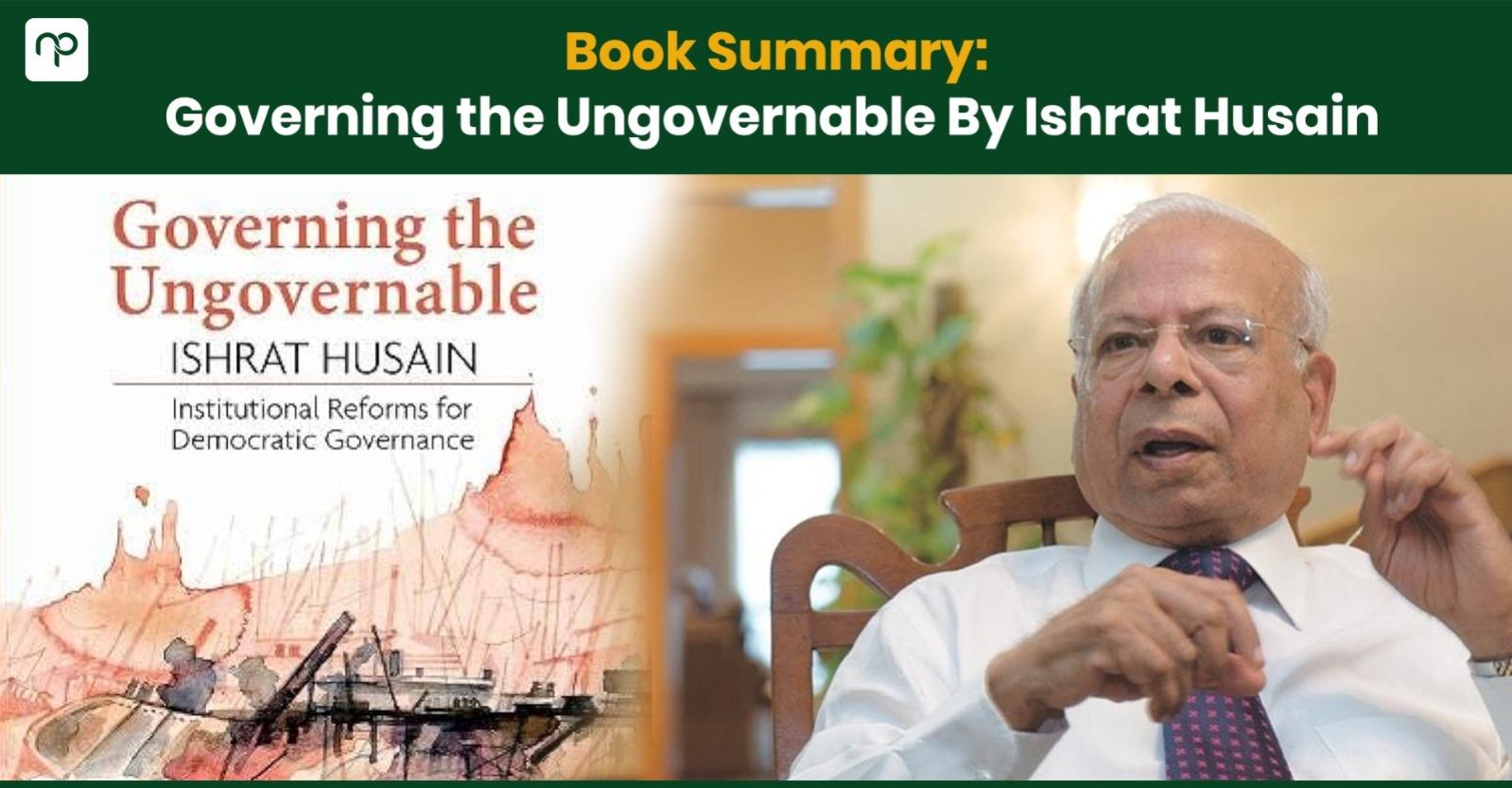
CSS Book Summary: Governing the Ungovernable
Overall Summary:
"Governing the Ungovernable" by Ishrat Husain is a seminal work that offers a profound analysis of the challenges embedded in the governance structure of Pakistan and presents insightful recommendations for comprehensive reforms. Drawing on his rich experience as a respected economist and former governor of the State Bank of Pakistan, Ishrat Husain meticulously dissects the historical underpinnings of governance in Pakistan, shedding light on the institutional dynamics that have shaped the country's political and economic landscape.
The book commences with a candid examination of the historical legacy that has contributed to the governance issues in Pakistan, addressing deep-seated problems such as corruption, inefficiency, and political interference. Husain provides a critical appraisal of the existing governance structures and practices, laying the foundation for a robust discussion on the need for transformative reforms.
A central theme of the book revolves around the imperative to shift from a patronage-based governance model to a meritocratic and transparent system. Husain advocates for the depoliticization of institutions, emphasizing the crucial role of professionalism in fostering efficiency, accountability, and integrity within government bodies.
A significant portion of the book is dedicated to outlining a comprehensive roadmap for governance reform. The author delves into key sectors such as the civil service, the police force, and the judiciary, proposing concrete measures to address structural deficiencies and enhance their efficacy. The vision presented by Husain is rooted in a commitment to creating a governance framework that is responsive to the needs of the people and capable of fostering sustainable development.
In addition to domestic challenges, Ishrat Husain explores the impact of a rapidly evolving global landscape on Pakistan's governance. Globalization, technological advancements, and climate change are discussed in the context of their influence on governance policies. The book underscores the importance of adaptive governance strategies that can effectively navigate the complexities of an interconnected and dynamic world.
"Governing the Ungovernable" is more than a critique; it is a constructive guide that provides actionable insights for policymakers, scholars, and individuals interested in the nuanced understanding of governance dynamics in Pakistan. The author's expertise and pragmatic approach make this book an invaluable resource for those seeking to contribute to the ongoing discourse on governance reform in Pakistan.
Ten Important Takeaways from the Book:
1. Historical Analysis of Governance in Pakistan: The book provides a thorough historical analysis of governance in Pakistan, shedding light on the institutional legacies that have influenced the country's political and economic landscape.
2. Challenges in Governance: Ishrat Husain candidly addresses the challenges faced by Pakistan's governance structures, including issues such as corruption, inefficiency, and political interference.
3. Shift to Meritocracy: A key takeaway is the call for a paradigm shift from patronage-based governance to a more meritocratic and transparent system. The author emphasizes the importance of professionalism in enhancing efficiency and accountability.
4. Depoliticization of Institutions: The book advocates for the depoliticization of institutions, stressing the need to insulate government bodies from political interference to ensure fair and effective governance.
5. Comprehensive Reforms in Key Sectors: Ishrat Husain outlines a roadmap for governance reform, proposing concrete measures for restructuring key sectors such as the civil service, the police force, and the judiciary.
6. Local Governance Empowerment: The author argues for a more decentralized governance structure, empowering local governments to address the diverse needs of different regions effectively.
7. Adaptive Policies for Global Challenges: The book addresses the challenges posed by a rapidly changing global environment, discussing the impact of globalization, technological advancements, and climate change on governance. It emphasizes the need for adaptive policies to navigate these transformations.
8. Professionalism and Accountability: A recurrent theme is the importance of promoting professionalism within governmental institutions and fostering a culture of accountability to enhance the overall effectiveness of governance.
9. Integrity in Governance: Ishrat Husain underscores the significance of integrity in governance, highlighting the need for ethical conduct and principled decision-making to build trust and credibility.
10. Sustainable Development Focus: The book is rooted in a commitment to creating a governance framework that is responsive to the needs of the people and capable of fostering sustainable development in Pakistan.
Conclusion:
In conclusion, "Governing the Ungovernable" by Ishrat Husain stands as a seminal work that not only diagnoses the deep-rooted challenges in Pakistan's governance but also charts a course toward comprehensive and pragmatic solutions. Husain's historical analysis lays bare the complexities that have shaped the nation's governance structures, prompting readers to confront issues such as corruption, inefficiency, and political interference. The pivotal takeaway from the book is the imperative to shift from patronage-based governance to a meritocratic and transparent system. Ishrat Husain advocates for the depoliticization of institutions, emphasizing the crucial role of professionalism in fostering efficiency, accountability, and integrity. The call for comprehensive reforms in key sectors, such as the civil service and the judiciary, resonates as a blueprint for transforming the governance landscape. Importantly, the book champions the empowerment of local governance structures, recognizing the diverse needs of different regions within Pakistan. Ishrat Husain's exploration of the impact of a dynamic global environment on governance underlines the need for adaptive policies to navigate challenges brought about by globalization, technological advancements, and climate change. As readers navigate through the pages of "Governing the Ungovernable," they encounter a vision that goes beyond mere critique, offering actionable insights for policymakers, scholars, and individuals interested in contributing to governance reform in Pakistan. The author's expertise and commitment to sustainable development underscore the book's significance in shaping conversations about the future of governance in Pakistan. Ultimately, Ishrat Husain provides not just a diagnosis of the challenges but a prescription for a more effective and responsive governance system that can meet the needs of the diverse and dynamic nation.
Follow Nearpeer to get all Instant Updates
Tips for CSS - 2024 Preparation by Sir Zohaib Alam: Live Session
Follow our YouTube Channel for daily updates and Live Sessions: YouTube
Follow our Instagram for the Latest updates: Instagram


0 Claps


 Shop
Shop nearpeer.org