Shop
 nearpeer.org

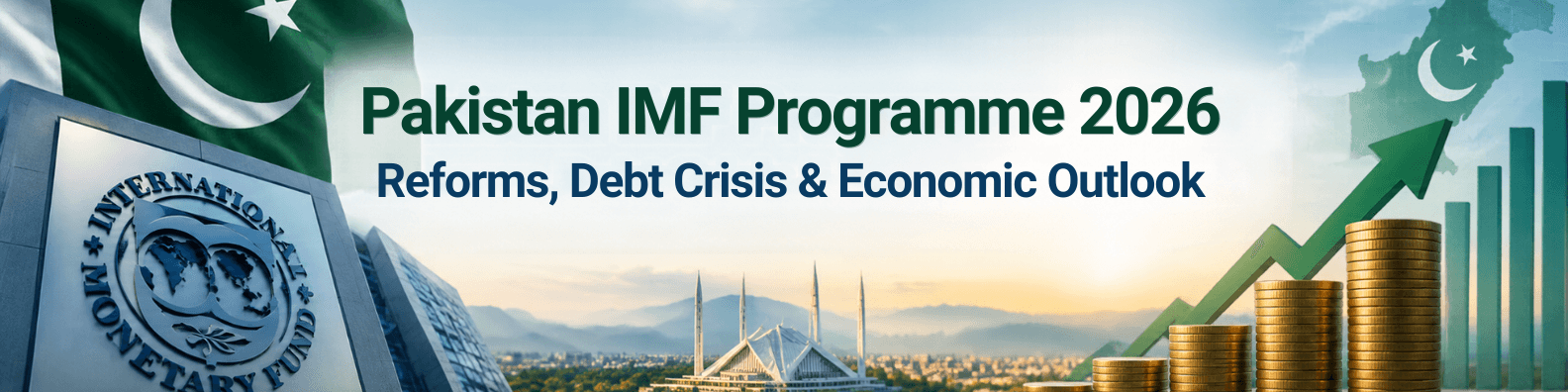
The Pakistan IMF Program 2026 remains the biggest factor shaping the country's economy. Pakistan is now deep into its 37-month, $7 billion IMF arrangement. The program has delivered some economic stability, but it has also placed significant financial pressure on ordinary households.
IMF Pakistan Latest Program
The program moved forward in October 2026, when the Fund reached a staff-level agreement on its fourth review. This unlocks approximately $1.2 billion and brings total disbursements under both arrangements to roughly $5.7 billion. It followed the May approval of the third review, when the Executive Board cleared $1.2 billion after Pakistan accepted a dozen new conditions.
Pakistan IMF Loan Conditions and the Tax Problem
A closer look at the loan conditions reveals one recurring theme: revenue generation. Pakistan met 14 of 17 targets in the last review but missed its tax collection goal. The Federal Board of Revenue (FBR) shortfall, particularly in the retail sector, remains a major weakness. This is why taxation reforms matter so much in 2026. The IMF has pushed hard to broaden Pakistan's narrow tax base, and its framework for 2026–27 envisages an FBR revenue target of Rs15.08 trillion. Earlier commitments also include higher taxes on fertilizer and pesticides, alongside agricultural income tax reforms. Salaried individuals already carry a heavy tax burden, so the real test is whether previously undertaxed sectors are finally brought into the tax net.
IMF Conditions Beyond Tax
The IMF's conditions extend well beyond revenue. Recent benchmarks cover procurement reforms, tariff adjustments, and the phased withdrawal of tax incentives for special economic zones. The energy sector is another major pillar: the government has agreed to regular gas and electricity tariff adjustments, which directly affect household bills. These reforms aim to reduce circular debt and improve the sector's financial sustainability, although consumers often feel the immediate impact through higher bills.
Pakistan's External Debt Crisis
Pakistan's external debt crisis explains why Islamabad continues to rely on the IMF. Large repayments fall due every year, while foreign exchange reserves remain under pressure. An IMF program also signals to international lenders and investors that the country's policies follow an agreed framework. This can facilitate rollovers from friendly countries and improve access to additional financing. The finance minister has also emphasized that completing the program is important for maintaining the country's international financial credibility.
IMF Impact on Pakistan's Economy
The IMF's impact on Pakistan's economy has two dimensions.
The upside: According to the IMF, implementation has supported macroeconomic stability and helped rebuild fiscal and foreign exchange reserves. Inflation is lower than during the crisis years, and the currency has become relatively more stable.
The downside: Higher utility bills, constrained public spending, and increased taxation continue to slow economic activity and strain middle-class household budgets.
Pakistan Economic Outlook 2026
The economic outlook for 2026 remains cautiously hopeful. However, the IMF has warned of heightened risks from the war in the Middle East, which could raise international oil prices and put additional pressure on the balance of payments. Stability, however, is not the same as sustainable growth. For the program to achieve lasting results, the country needs stronger exports, greater domestic and foreign investment, and a broader, fairer tax system. Without these structural improvements, Pakistan risks returning to the IMF repeatedly to manage recurring balance-of-payments crises.
Stay Connected with Nearpeer CSS ♥️
For continuous guidance, expert mentorship, CSS preparation resources, current affairs updates, and exam-related support, follow Nearpeer on its official platforms:
- YouTube: https://youtube.com/@cssonlinewithnearpeer
- WhatsApp Channel:https://whatsapp.com/channel/0029VaC3L7KFCCoUfaTXZh0I
- TikTok: https://www.tiktok.com/@css.by.nearpeer
- Instagram: https://www.instagram.com/css_nearpeer
- Nearpeer CSS Dashboard:https://css.nearpeer.org/dashboard
Stay connected. Stay informed. Stay ahead with Nearpeer! ♥️